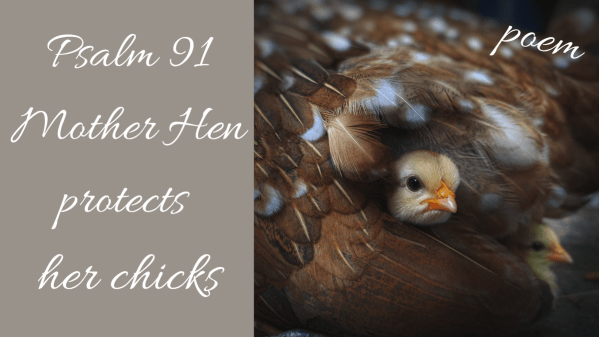
This poem of Psalm 91 verses 1 to 4, likens God's protection to a mother hen protecting her chicks, with a focus on providing safety and warmth. The poem also emphasizes the aspects of faith, trust and resilience in adversity.
Blessed are those who are persecuted for righteousness sake?
The Beatitudes, taught by Jesus, show a pattern of spiritual growth. Followers face persecution and insults, but find strength through God. This pattern leads to understanding and compassion for others. This poem explores the depth of these teachings and the challenges faced by those who follow them.
Blessed are the Peacemakers?
The poem emphasizes the importance of being peacemakers and fostering peace in our homes, communities, and the world. It encourages seeking wisdom, resolving conflicts, and cultivating right relationships. The poem emphasizes the role of peacemakers in creating a harmonious and peaceful coexistence, drawing references from biblical teachings.
Blessed are the Pure in Heart?
The poem emphases the longing for spiritual fulfillment amidst earthly struggles. It highlights the sincerity and obedience of the pure in heart, echoing the desire for God's purity and the return to a state of divine harmony. Through faith and action, Christians anticipate the coming Messiah and the fulfillment of God's righteous reign.
Blessed are the Merciful?
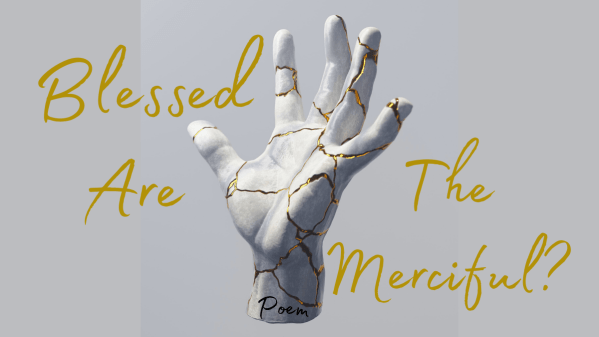
The concept of mercy is compared to the Japanese art of Kintsugi, embracing and repairing brokenness. Extending mercy involves showing compassion, forgiveness, and kindness to others, even when it's not deserved. This selfless act mirrors God's mercy towards us and reflects the character of a believer in God. Jesus exemplified mercy by caring for the marginalized without expecting anything in return.
Blessed are Those who Hunger and Thirst for Righteousness?
This poem reflects on the spiritual and physical hunger for righteousness and divine satisfaction, as taught in Matthew 5:6. It highlights the longing for fulfillment and the promise of future relief from earthly pain. The poet emphasizes the deep spiritual hunger for God's presence and guidance as the ultimate source of satisfaction and contentment.
Blessed Are The Meek?
The concept of meekness is explored through the lens of The Beatitudes, reflecting on the original Greek definition of strength under control. The historical context of Roman rule over the Jewish people and the call to humility and submission to God's will are highlighted, emphasizing meekness as power under control.
Blessed Are Those Who Mourn?
This poem explores the paradox of finding comfort through mourning. It references biblical stories of repentance and forgiveness. The author emphasizes the transformative power of facing sin and seeking God's grace. Mourning leads to repentance, salvation, and ultimately, everlasting life. The poem encourages believers to find solace and joy through their tears.
Blessed are the Poor in Spirit?
This poem explores the concept of "blessed are the poor in spirit" from the Beatitudes and its relevance in modern times. It contrasts material wealth with spiritual richness and emphasizes God's kingdom as the ultimate source of happiness. Happiness is examined in light of societal perception, Jesus' ministry, and biblical teachings.
LORD, Hear Our Prayer
This poem is based on The Lord's Prayer. The author reflects on its significance and invites others to incorporate it into their daily prayers. The poem celebrates God's attributes, Jesus Christ’s teachings, and the power of forgiveness.
Sweet Temptation – Eve Part 1
The poem explores the process of temptation, delving into the interaction between sight, emotions, and thoughts. The serpent deceives Eve, leading her to question God's commands and ultimately choose disobedience. This decision not only impacts Eve but also influences Adam to disobey, leading to the first sin.
My Weakness God’s Strength
This poem highlights how God's strength is made perfect in our weakness. It emphasizes the importance of relying on God's grace and strength, learning from Paul's acceptance of his affliction, and trusting in God's will. The poem encourages embracing weakness as an opportunity for God to display His power.
God Protects from Enemy Attacks
This Christian poem, inspired by Psalm 91:5-13, reflects on physical and spiritual attacks. It portrays various forms of harm, from words and gossip to illness and disasters, emphasizing God's protection and empowerment for those who trust in Him. With vivid imagery, it reminds readers to stand strong in faith against all assaults.
God’s Rules for Living
This poem was inspired by Timothy Keller's 'Counterfeit Gods', delves into the relevance of the Ten Commandments in modern life. It explores the worship of invisible false idols and emphasizes the importance of honoring God, relationships, truthfulness, contentment, and utilizing one's talents for His glory.
My Sin is Removed
This poem reflects on overcoming guilt and shame through God's forgiveness. She emphasizes God's removal of sin and her refusal to be defined by her past, expressing a commitment to obey and grow spiritually.
Eagle Wings
This poem reflects on Isaiah 40:31 and the concept of waiting on the Lord. It emphasizes hopeful anticipation rather than anxiety and stress, and describes the renewal of strength and the ability to soar like an eagle as outcomes of this patient waiting. Embracing God's love and grace enables this uplifting transformation.
Contented we Bask
Contented we bask In His goodness and mercy His unceasing love, favour, Acceptance, compassion. Beverley Joy of Simply Story Poetry Exert from my poem "The Good Shepherd'.
With Strength He rescues
The Good Shepherd: With strength He rescues His precious lost sheep. Beverley Joy of Simply Story Poetry Exert from my poem 'The Good Shepherd'.
Christ Lives In Me
INTRO: I wrote this Christian poem in the first few months after coming back to my Christian faith. The first sermon that I heard, in the first church service that I had attended in 30 years, was titled 'Christ lives in you.' At the time, I was so nervous about falling back into my old... Continue Reading →
The Good Shepherd
This poem reflects on Psalm 23 the good shepherd's care for vulnerable and dependent sheep, drawing parallels to God's guidance and provision in human lives. The shepherd protects, provides, and rescues the sheep, offering comfort, security, and reassurance. The poem emphasizes trust in the shepherd's wisdom and love, inspiring contentment and gratitude in the sheep.